
Green Stuff World: Push Pop Mixing Palette
Код: GSW-5448В наличии
10+ купили
309 ₴
Доставка
 Нова Пошта
Оплата и гарантии
 Безопасная оплата картойБез переплат
Prom гарантирует безопасность
Вернем деньги при отказе от посылки Оплатить частямиБез переплат*, от 154 ₴/мес.
 Наложенный платежНова Пошта, Самовывоз
 Оплата на счетIBAN UA473220010000026001320021224


Характеристики и описание
| Производитель | Green Stuff World |
|---|---|
| Страна производитель | Испания |
| Ширина | 130 мм |
| Длина | 180 мм |
| Тип | Палитра с лунками |
| Форма | Прямоугольная |
| Цвет | Белый |
| Состояние | Новое |
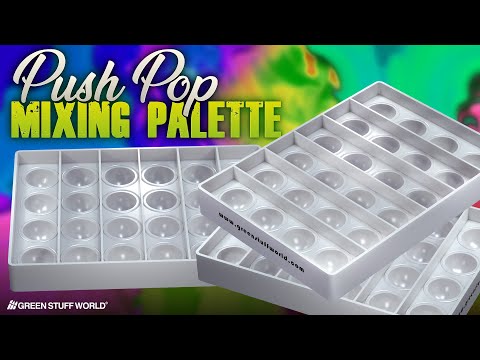
Push Pop Mixing Palette
A Push Pop Mixing Palette, also referred to as a Silicone Fidget Popper Paint Palette, is a creative fusion between a children’s sensory toy and a professional painting accessory. With its soft silicone construction and flexible texture, it offers a satisfying tactile experience while also serving as a versatile paint mixing station.
One of the most distinctive features of this tool is its 24 semi-circular wells, each measuring 23mm in diameter, larger than what’s typically found in standard palettes. This extra space allows artists to mix more paint at once or keep multiple colors organized without contamination. The use of bright white silicone as the base material ensures that colors appear true-to-tone when mixing, preventing the kind of visual distortion that can occur with colored trays. The larger well size also accommodates bigger brushes, making the process more efficient for users who require speed and precision.
Another major innovation is the anti-adherent surface treatment applied to the silicone. Each unit undergoes a specialized oleaginous surface treatment—a non-toxic, paint-safe oil-like coating—that enhances the silicone’s already slippery texture. This treatment gives the surface a smooth finish, making it even more resistant to paint adhesion than untreated silicone. Unlike traditional plastic or ceramic trays, paint doesn’t bond permanently to this surface. When dried, many types of paint—especially acrylics, metallics, and specialty inks—can be simply peeled off or popped out, leaving the wells clean and ready for the next use. This eliminates the need for harsh scrubbing or soaking and helps prolong the life of the tool by avoiding surface damage. It also makes color transitions cleaner, which is crucial for painters working with subtle gradients or detailed miniature pieces.
That said, it's important to manage expectations. While the anti-stick treatment is highly effective, it doesn't make the surface completely immune to all types of residue. Extremely thin layers of paint or very small quantities may not peel off as cleanly and can sometimes dry into brittle fragments that stick to the wells. However, these remnants are generally easy to remove with just a bit of water and gentle rubbing—no need for harsh chemicals or tools. The design ensures that even in these situations, cleaning is quick and hassle-free. In most cases, warm water and a little mild soap are all you need. You can gently rub the wells with your hand or a soft sponge to remove any paint residue, even if it has already dried. This routine is sufficient to keep the tool in optimal condition after each painting session.
When using more resistant paints or paints that have been left to dry for a long time, it is possible to intensify the cleaning process by using alcohol, Airbrush Cleaner, or even Paint Remover. These products help break down stubborn residue without damaging the silicone. It is recommended to apply them sparingly and in a well-ventilated area, making sure to rinse thoroughly with water afterwards to remove any chemical residue.
This mixing tool shines when used with specific types of media that do not behave well on wet or absorbent surfaces:
- Dipping paints: These thick, highly pigmented solutions benefit from the dry environment provided by this product. There’s no unwanted dilution or spreading.
- Metallic colors: Known for their particle-heavy nature, metallics tend to separate quickly in wet setups. The dry wells here help them maintain their shimmer and density.
- Inks and washes: These are sensitive to water and mixing inconsistencies. The non-porous silicone base ensures inks maintain their original hue and viscosity.
These types are generally gentle on silicone and take full advantage of the product’s anti-adherent surface, allowing for easy mixing, application, and cleaning without causing degradation or long-term wear.
However, caution should be exercised when working with solvent-based materials, particularly those that contain strong chemical agents. Products such as ceramic varnishes, enamels, spirit-based metallics, or cyanoacrylate adhesives (commonly known as super glue) can pose a risk to the surface integrity of the mixing tool. These materials often include aggressive solvents that are capable of penetrating the silicone, potentially causing the surface to become discolored, sticky, or even brittle over time. In extreme cases, the chemical interaction may degrade the silicone structure itself.
Additionally, colors or substances with high pigment migration, meaning they carry a heavy load of dyes or volatile colorants, may also stain the white silicone, especially if left in contact for extended periods. While the anti-stick coating helps reduce this risk, it's not entirely immune to the chemical staining that can occur with highly concentrated dyes or reactive formulas. This doesn’t typically affect performance but may impact the clean visual appearance of the wells.
For best results and long-term durability, it's strongly recommended to use only water-based or acrylic-compatible paints. If you're considering trying a solvent-heavy product, consult the chemical manufacturer’s guidelines first and, if possible, test a small amount on an inconspicuous area of the mixing surface. This approach ensures you can explore new materials without compromising the functionality or appearance of your tool.
Вопросы и ответы
0
Хочешь узнать больше о товаре? Спрашивай — продавец с радостью подскажет.


